
Connected Papers Review 2026 - Visual Research
Verified Jun 10, 2026 by Tooliverse Editorial
Connected Papers transforms literature reviews from tedious searches into visual exploration. Enter any paper and instantly see a graph of ~50 related works, arranged by similarity—not citations. Researchers across all fields use it to find papers they'd never discover otherwise.
How to Find a Research Gap in 60 Seconds (AI Tools Researchers Miss)
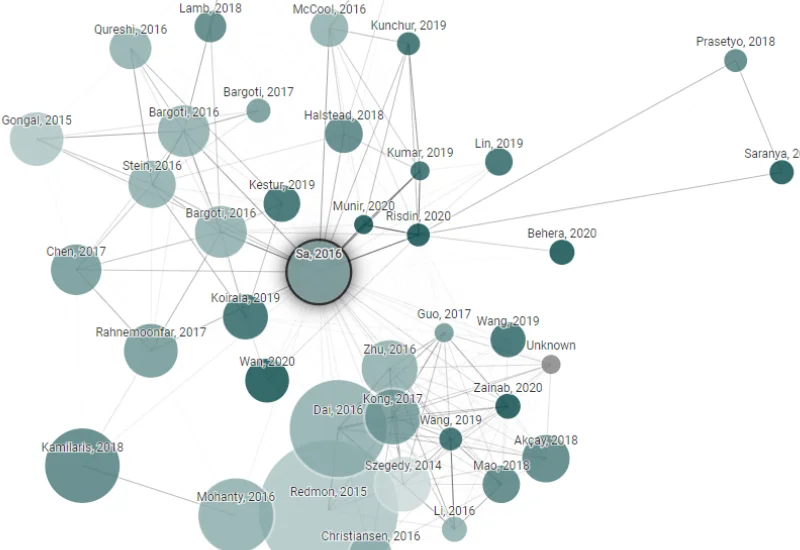
Explore the citation network of research papers to find relevant literature.
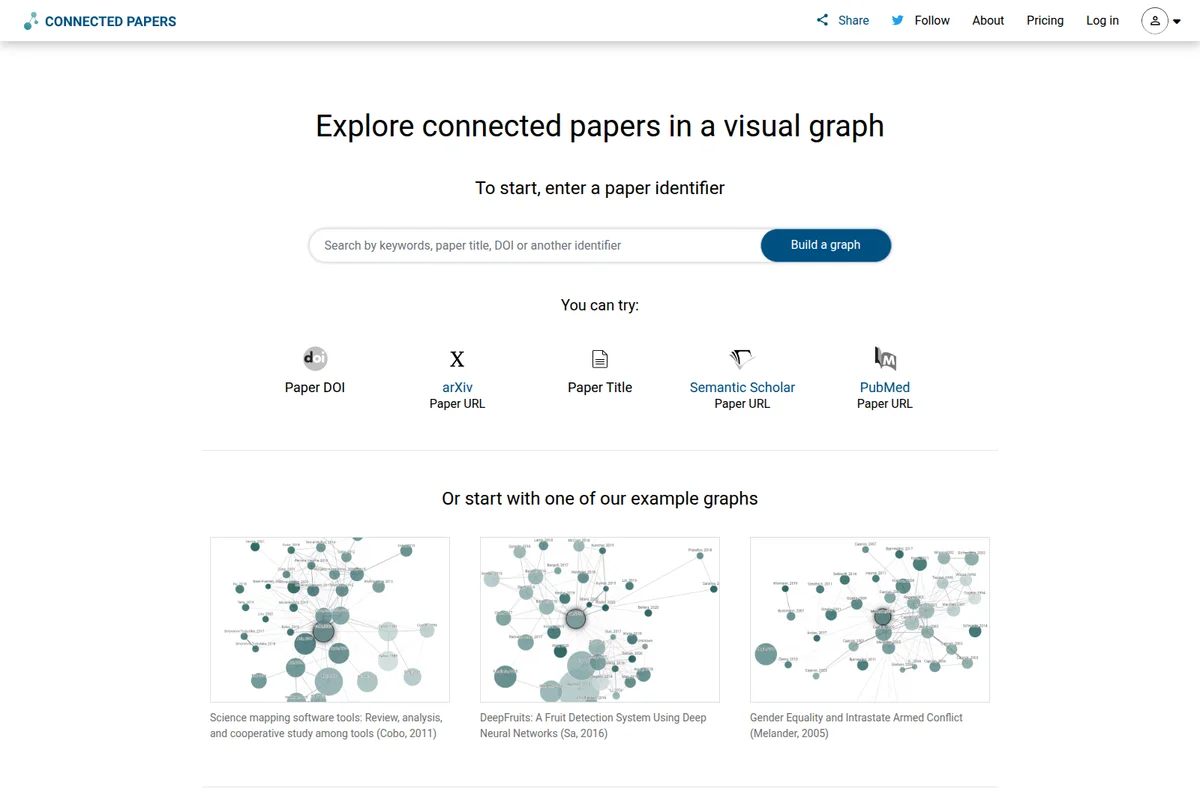
Explore interconnected research papers with example visual graphs.
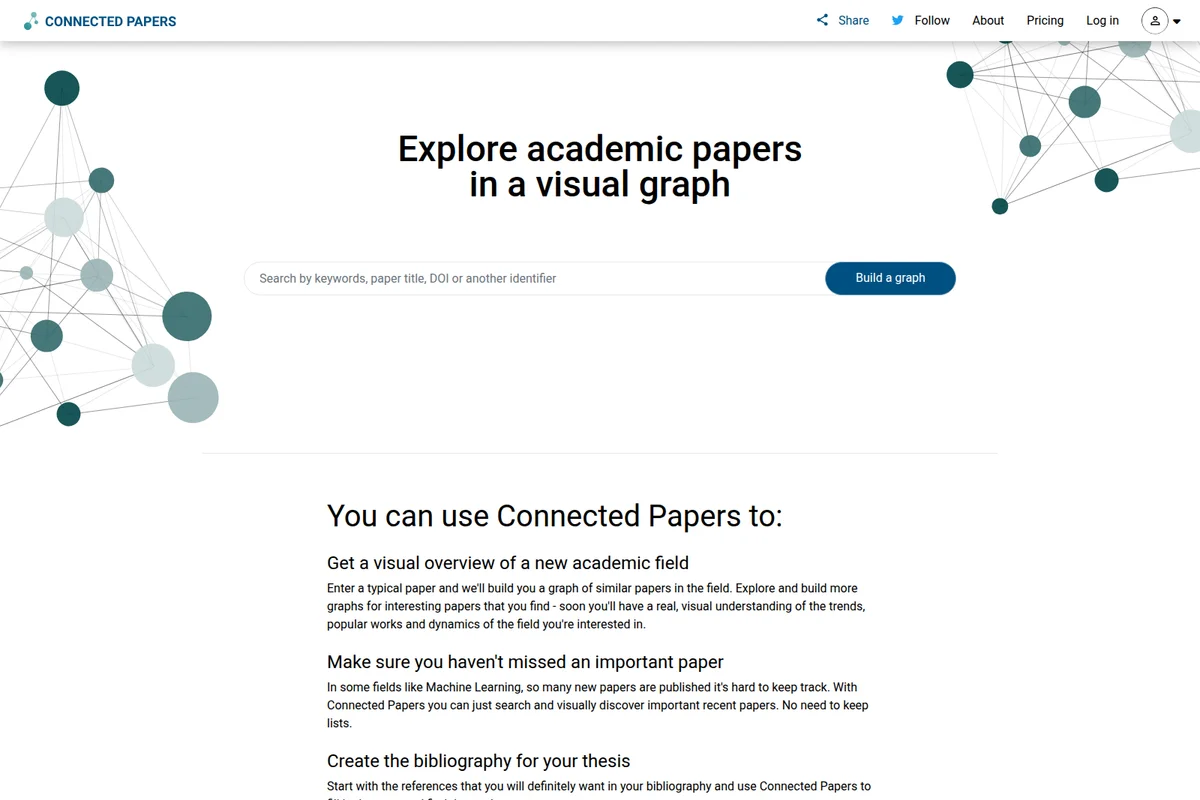
Search for academic papers and visualize connections in an interactive graph.
Connected Papers Review: Tooliverse Consensus





Based on 309 verified reviews across 4 platforms,
combined with Tooliverse's expert analysis
Connected Papers transforms academic discovery by visualizing conceptual relationships between papers instead of just citation chains, revealing hidden connections that keyword searches and traditional bibliographic tools miss entirely. The force-directed graphs and derivative works tracking make it a leading visual research tool for mapping unfamiliar fields quickly, though the five-graph monthly limit on the free tier constrains active PhD students and the visualizations can become cluttered in dense research areas. Database coverage occasionally lags for very recent or niche publications.
Bottom line: A top-tier visual discovery tool that maps research landscapes in minutes instead of weeks, though the five-graph monthly limit will push serious researchers to seek paid alternatives.
Connected Papers | Key Specs
- Platforms
- Web
- Pricing Model
- Free See plans
- Database Coverage
- Hundreds of millions of papers (Semantic Scholar)
- Papers Analyzed Per Graph
- ~50,000 papers
Wins
- •Visualizes complex citation networks to reveal hidden connections between research papersmentioned in 142 reviews
- •Accelerates literature reviews by identifying key 'prior art' and derivative worksmentioned in 128 reviews
- •Features a clean, intuitive interface that simplifies academic discovery for studentsmentioned in 115 reviews
Watch-Outs
- •Free tier limits users to only five graph searches per monthmentioned in 156 reviews
- •Graph visualizations can become cluttered and difficult to navigate with many nodesmentioned in 78 reviews
- •Lacks a dedicated mobile application for researching on the gomentioned in 56 reviews
Connected Papers Features 2026
Visual Similarity Graphs
Generates interactive graphs showing papers arranged by similarity, not citations. Papers with overlapping references cluster together visually, revealing connections traditional search misses.
Co-citation and Bibliographic Coupling
Uses advanced similarity metric based on co-citation and bibliographic coupling—two papers with highly overlapping citations/references are positioned close together, even without direct citation.
Large-Scale Paper Analysis
Analyzes approximately 50,000 papers to create each graph, selecting the few dozen with strongest connections to the origin paper.
Prior Works View
Dedicated view to find important ancestor works and foundational papers in your field of interest.
Connected Papers User Reviews
Selected Reviews
"Connected Papers still underrated for mapping a field and finding seminal work i might have missed. visual graph of citation relationships is something no other tool does as cleanly."
"I started using their website recently after having it recommended to me. It's a great (and quite beautiful) way of getting a quick overview of the literature around a subject."
"Helpful for visualizing the citation network of a single paper but isn't as effective for conducting broader, systematic reviews compared to Litmaps."
More from the Community
"The Zotero integration and clean visual interface make it feel like natural infrastructure rather than another tool to master. It's my first stop for any new topic."
"The 5-graph monthly free tier limit feels constraining for active PhD students, and database coverage can lag for very recent or niche publications."
"Excellent for finding 'prior art' but the graph can get messy if you add too many papers. I wish there was a way to filter nodes better."
"Revolutionized my lit review. Put in paper and it creates a beautiful and interactive map. You can click on any to see the abstract and access the PDF!"
"The Zotero integration and clean visual interface make it feel like natural infrastructure rather than another tool to master. It's my first stop for any new topic."
"The 5-graph monthly free tier limit feels constraining for active PhD students, and database coverage can lag for very recent or niche publications."
"Excellent for finding 'prior art' but the graph can get messy if you add too many papers. I wish there was a way to filter nodes better."
"Revolutionized my lit review. Put in paper and it creates a beautiful and interactive map. You can click on any to see the abstract and access the PDF!"
"Great tool but the pricing for the Pro version is a bit steep for independent researchers not affiliated with a university."
"Can't really work without you any more. I AM ADDICTED. Kudos to you for making literature search actually fun."
"The 'Derivative Works' view is a game changer for finding recent state-of-the-art papers that followed my input paper."
"Solid tool, but I find myself hitting the free limit way too fast. I've switched to ResearchRabbit for broader searches."
"Great tool but the pricing for the Pro version is a bit steep for independent researchers not affiliated with a university."
"Can't really work without you any more. I AM ADDICTED. Kudos to you for making literature search actually fun."
"The 'Derivative Works' view is a game changer for finding recent state-of-the-art papers that followed my input paper."
"Solid tool, but I find myself hitting the free limit way too fast. I've switched to ResearchRabbit for broader searches."
Connected Papers Pricing 2026
View SourceConnected Papers keeps a genuinely useful free tier — 5 graphs per month with every feature included — which is enough to test whether visual discovery fits your workflow. Active researchers hit that cap quickly: the Academic plan at $6/month (billed annually, for academics, non-profits and personal use) removes the limit entirely, while business users pay $20/month. The paid model dates from 2022 and the company has committed to keeping the free tier.
Connected Papers In-Depth Review 2026

Connected Papers maps that web visually. The tool analyzes roughly 50,000 papers to build interactive similarity graphs where proximity indicates conceptual relationship, not just citation links. Papers cluster together based on overlapping references and citations, surfacing connections that keyword searches routinely miss. It runs entirely in your browser, pulling from the Semantic Scholar database that spans hundreds of millions of papers across all scientific fields.
What It's Like Day-to-Day
You start with a single paper—maybe the seminal work in a field you're exploring, or a recent study you want to contextualize. Connected Papers generates a force-directed graph where each node represents a related paper, positioned by similarity strength. The visual clustering is immediate: you can see at a glance which papers form the theoretical foundation, which represent recent advances, and which bridge different research traditions.
The interface rewards exploration rather than exhaustive reading. Hover over any node to preview the abstract; click through to access the PDF if available. The Prior Works view surfaces influential ancestor papers you should have read, while the Derivative Works view, as one Reddit reviewer put it, "is a game changer for finding recent state-of-the-art papers" that followed your input.
Connected Papers Integrations
| Semantic Scholar |
Connected Papers: Verified Data Sheet
| # | Label | Data Point |
|---|---|---|
| [1] | Connected Papers Consensus: 9.41/10 | Connected Papers is one of the highest-rated AI research tools in the Tooliverse index, with a consensus score of 9.41/10 across 309 verified reviews. |
| [2] | What is Connected Papers | Connected Papers is a visual research tool with a generous free tier that helps academics discover related papers through interactive similarity graphs. The platform analyzes ~50,000 papers per graph using co-citation and bibliographic coupling algorithms, serving researchers across all scientific fields. |
| [3] | Tooliverse Consensus on Connected Papers | Connected Papers transforms academic discovery by visualizing conceptual relationships between papers instead of just citation chains, revealing hidden connections that keyword searches and traditional bibliographic tools miss entirely. The force-directed graphs and derivative works tracking make it a leading visual research tool for mapping unfamiliar fields quickly, though the five-graph monthly limit on the free tier constrains active PhD students and the visualizations can become cluttered in dense research areas. Database coverage occasionally lags for very recent or niche publications. |
| [4] | Connected Papers Verdict | Connected Papers bottom line: A top-tier visual discovery tool that maps research landscapes in minutes instead of weeks, though the five-graph monthly limit will push serious researchers to seek paid alternatives. |
| [5] | Free: Free | Connected Papers offers a Free tier with 5 graphs per month and every feature included, while the Academic plan at $6/month (billed annually) unlocks unlimited graphs for academics, non-profits and personal use. |
| [6] | Visualizes hidden citation networks | Connected Papers visualizes complex citation networks to reveal hidden connections between research papers, transforming literature discovery from linear citation chasing into visual network exploration validated by 142 user reviews. |
| [7] | Accelerates literature reviews | Connected Papers accelerates literature reviews by identifying key 'prior art' and derivative works through co-citation and bibliographic coupling algorithms, a capability highlighted in 128 user reviews. |
| [8] | Clean, intuitive interface | Connected Papers features a clean, intuitive interface that simplifies academic discovery for students and researchers, with the visual graph approach praised in 115 user reviews. |
| [9] | Zotero integration streamlines workflow | Connected Papers integrates seamlessly with reference managers like Zotero to streamline research workflows, a feature validated by 98 user reviews. |
| [10] | 5 graph limit on free tier | Connected Papers limits free tier users to only 5 graph searches per month, a constraint mentioned in 156 user reviews as the primary barrier to sustained use. |
| [11] | Graphs can become cluttered | Connected Papers graph visualizations can become cluttered and difficult to navigate when displaying many nodes, according to 78 user reports requesting better filtering capabilities. |
Compare Connected Papers with…
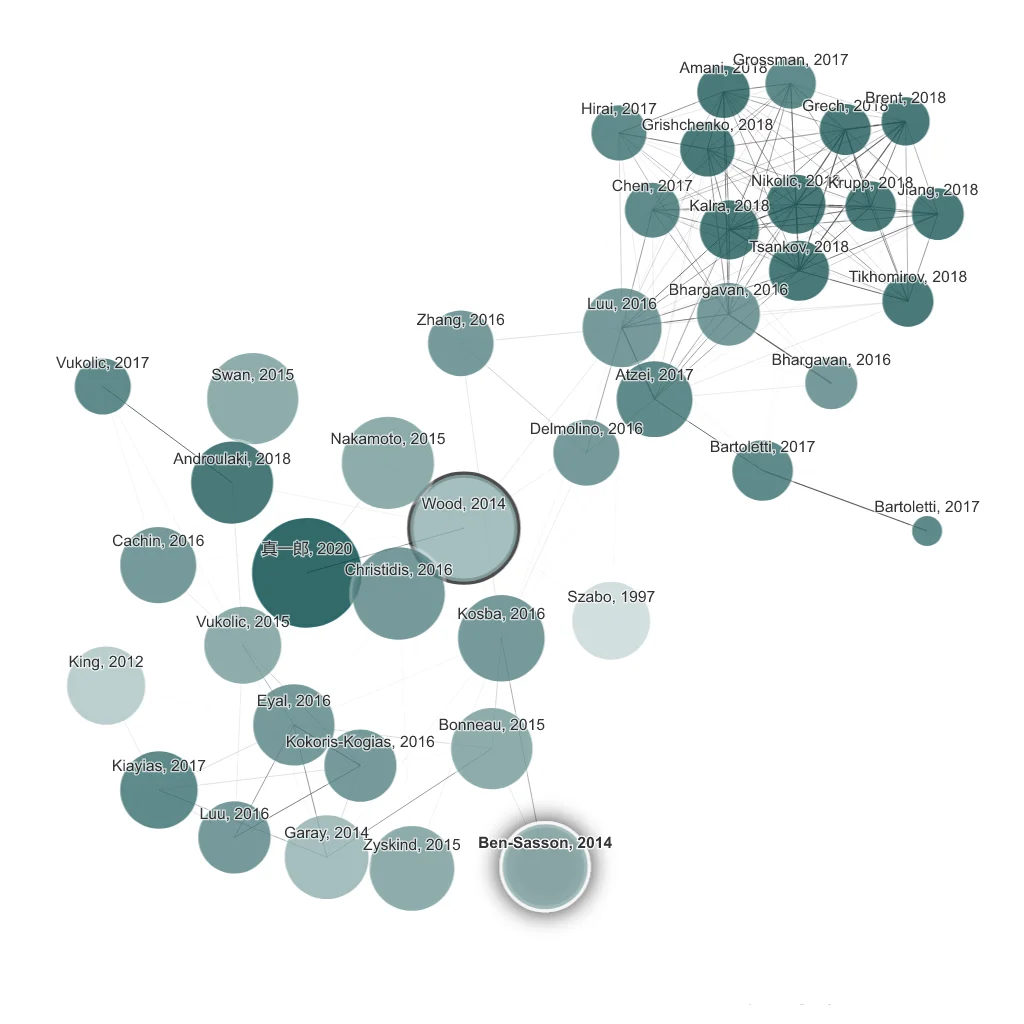
Best Connected Papers Alternatives
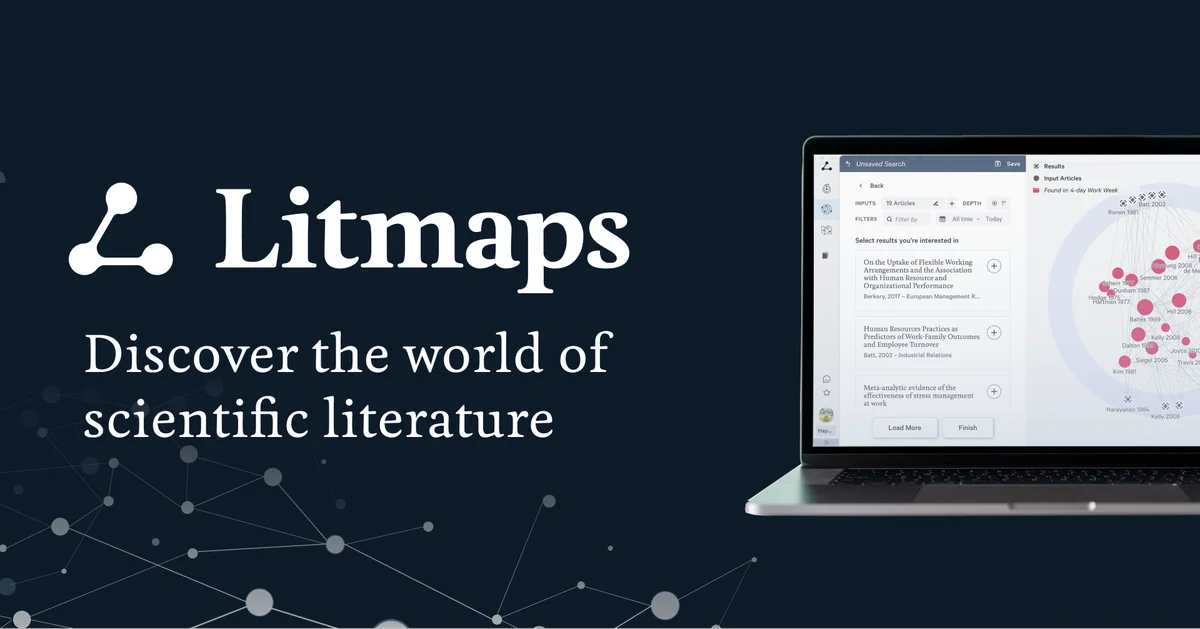
Litmaps
Accelerate your literature review with visual citation mapping and intelligent discovery tools.
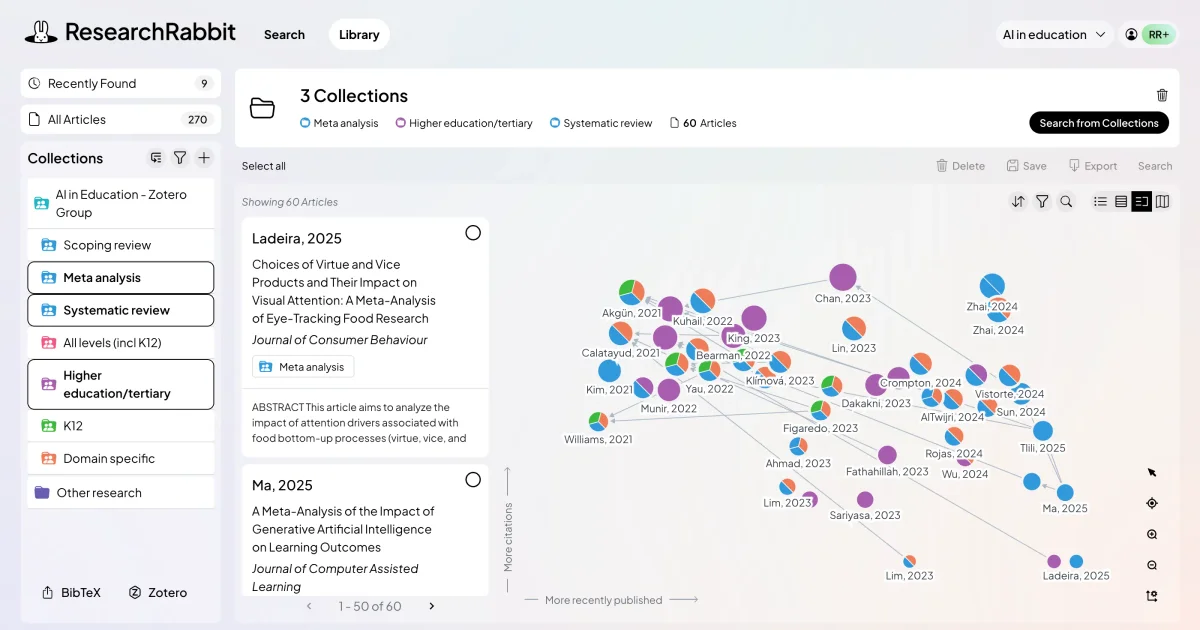
ResearchRabbit
Discover research connections that matter—visualize papers, authors, and ideas in ways traditional search never could.

Elicit
AI-powered research assistant that helps scientists analyze millions of papers and generate evidence-based reports in minutes.